

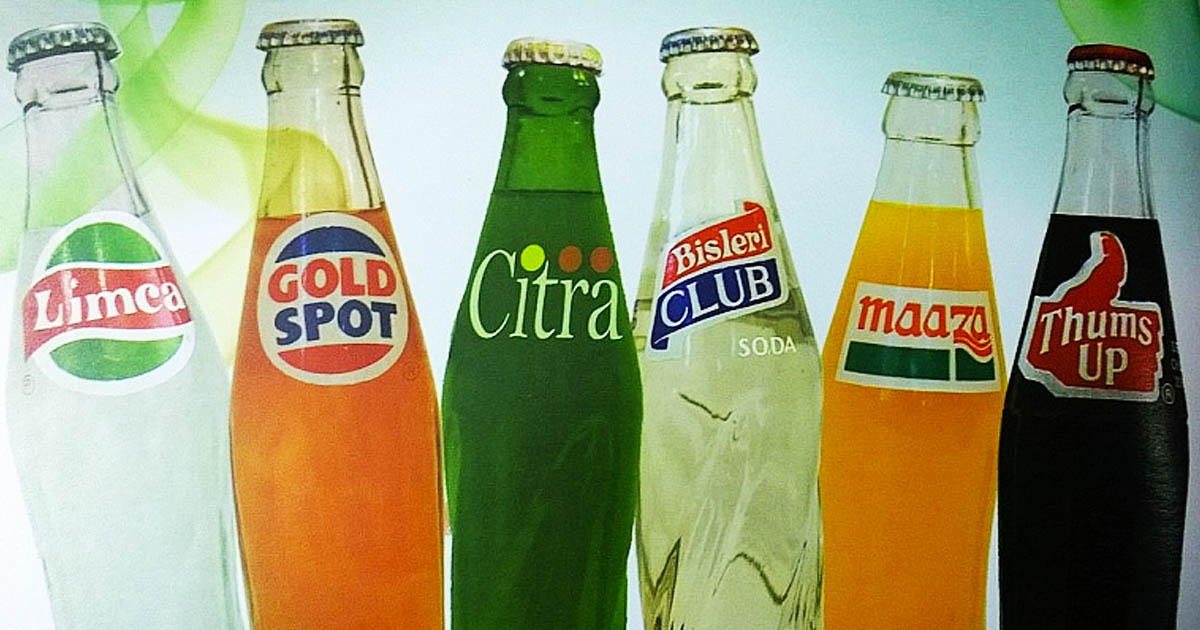
Gold Spot and the Era of Indian Soft Drink Brands We Lost
India’s soft drink market has seen dramatic transformations over the last five decades. While today’s shelves are dominated by global beverage giants and a few surviving Indian brands, there was a time when homegrown soft drinks ruled the hearts of consumers. Among them, Gold Spot stands out as a symbol of nostalgia—an orange-flavoured drink that once defined refreshment for an entire generation. This article explores Gold Spot, the broader era of Indian soft drink brands we lost, and the lessons this transition holds for today’s FMCG landscape.
The Golden Age of Indian Soft Drinks
Before economic liberalisation in the 1990s, India’s soft drink market was largely protected and domestically driven. Multinational beverage companies had exited the country in the late 1970s due to regulatory restrictions, creating space for Indian entrepreneurs and companies to innovate and grow.
During this period, Indian consumers were introduced to several iconic soft drink brands—each with its own identity, flavour profile, and loyal customer base. These brands were affordable, locally produced, and deeply embedded in everyday Indian life, from roadside eateries to family celebrations.
Gold Spot emerged as one of the brightest stars of this era.
Gold Spot: A Beloved Orange Icon
Gold Spot was launched in India as a carbonated orange-flavoured drink that quickly gained popularity for its strong citrus taste, bright colour, and cheerful branding. It was fizzy, sweet, and unmistakably Indian in character. For many consumers growing up in the 1970s and 1980s, Gold Spot was not just a drink—it was an experience associated with summer vacations, cinema halls, weddings, and school outings.
What made Gold Spot special was its distinctive flavour—bolder and sweeter than many international orange sodas—and its wide availability across urban and semi-urban India. Glass bottles with crown corks, affordable pricing, and aggressive local distribution helped it build scale rapidly.
At its peak, Gold Spot was a serious contender in the Indian soft drink space.
Liberalisation Changed Everything
The turning point for Indian soft drink brands came with India’s economic liberalisation in 1991. As markets opened up, global players re-entered India with deep pockets, advanced marketing strategies, and strong global brand recall.
Companies like Coca-Cola and Pepsi returned aggressively, bringing with them international brands, celebrity endorsements, and large-scale advertising budgets that local players struggled to match.
Gold Spot, which had come under the umbrella of Coca-Cola after re-entry, faced an uncertain future. Instead of being scaled as a flagship Indian brand, it was gradually sidelined.
Why Gold Spot Disappeared
Gold Spot did not vanish overnight. Its disappearance was gradual and strategic. Several factors contributed to its eventual exit:
1. Brand Portfolio Rationalisation
Coca-Cola already had Fanta, a globally recognised orange-flavoured drink. Maintaining two similar products did not align with global brand strategy, leading to Gold Spot being phased out.
2. Shift Toward Global Brands
Post-liberalisation India saw aspirational consumption. International brands were perceived as modern, premium, and global—making it harder for legacy Indian brands to compete for mindshare.
3. Marketing Muscle Gap
Indian brands that once relied on distribution strength and affordability could not match the advertising blitz, celebrity campaigns, and sports sponsorships of multinational competitors.
4. Changing Consumer Preferences
Over time, consumers gravitated toward standardized flavours and packaging formats promoted heavily through mass media.
Other Indian Soft Drink Brands We Lost
Gold Spot was not alone. Several Indian soft drink brands disappeared during this transition period:
Camp Cola – Once a strong Indian alternative to cola beverages
Thums Up Lemon – A lesser-known variant that never scaled nationally
Limca variants and regional sodas that failed to survive portfolio restructuring
Numerous regional orange, lemon, and masala sodas that thrived locally but lacked national backing
Ironically, Thums Up survived—largely because its strong taste profile appealed to Indian palates and it was repositioned successfully as a macho, high-energy brand.
Emotional Connection vs Corporate Strategy
One of the biggest casualties in this era was emotional brand equity. Indian soft drink brands like Gold Spot were built organically, through word-of-mouth and daily consumption. However, corporate strategies prioritised global scalability over local nostalgia.
For consumers, the disappearance of these brands felt personal. Even today, social media posts reminiscing about Gold Spot attract high engagement, proving that emotional recall remains strong decades later.
Lessons for Today’s Indian FMCG and Beverage Brands
The story of Gold Spot offers valuable insights for modern Indian entrepreneurs and FMCG companies:
1. Local Taste Matters
Products deeply rooted in local preferences can build long-term loyalty if nurtured correctly.
2. Indian Brands Need Protection and Vision
Being acquired by a multinational does not always guarantee survival. Clear brand positioning is critical.
3. Nostalgia Is a Powerful Asset
In today’s D2C-driven market, nostalgia-led brand revivals have strong potential—especially with millennials and Gen Z.
4. Don’t Abandon Differentiation
Gold Spot’s bold orange flavour was its strength. Replacing it with standardized global tastes diluted uniqueness.
Could Gold Spot Make a Comeback?
With the rise of craft sodas, heritage brands, and Indian-origin beverage startups, the environment today is far more favourable for nostalgic revivals. Consumers are actively seeking authentic, local, and retro products.
A relaunched Gold Spot—using modern packaging, cleaner labels, and controlled sugar content—could potentially find success in niche and premium markets. Whether or not that happens, the brand remains a powerful reminder of what Indian FMCG once was.
Conclusion
Gold Spot and the era of Indian soft drink brands we lost represent more than discontinued products—they symbolise a shift in India’s economic, cultural, and consumer identity. While globalisation brought choice and scale, it also erased many homegrown brands that had earned deep trust and affection.
As India’s beverage market evolves once again, driven by startups and regional players, the story of Gold Spot serves as both a warning and an inspiration. Some brands may disappear from shelves, but their legacy continues to fizz in collective memory—bright, orange, and unforgettable.
Also read

No comments:
Post a Comment